


Our view
Most products don't fail because consumers don't want them.
They fail because they never reach them.
Only 1 in 4 new UK launches reached 1% of households in 2025.*
*Source: NIQ Consumer Panel, Launch Fast, Learn Faster, May 2026. Based on 2,053 new brands and sub-brands launched in the UK in 2025.
Every year, products are launched into the wholesale convenience channel with solid commercial plans, real investment and genuine consumer appeal.
Most don't reach their potential. Some disappear entirely.
The data arrives afterwards. It tells you what happened. It never tells you why.
PRIME Flow measures the conditions that determine whether a product reaches the consumer.
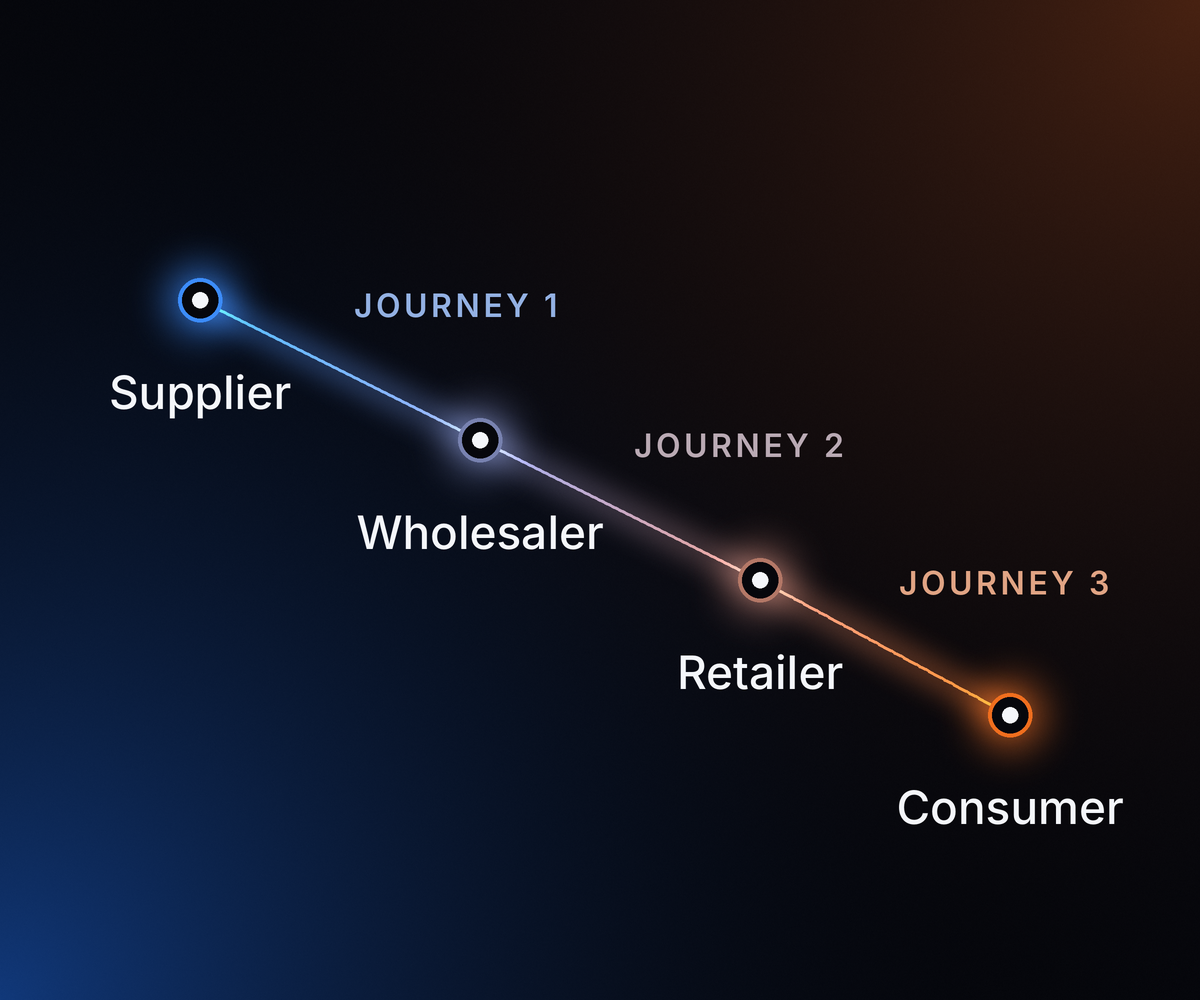
The three journeys every product must make
Products are bought and sold three times before they are consumed — creating three distinct journeys.
Journey 1: Supplier → Wholesaler
Journey 2: Wholesaler → Retailer
Journey 3: Retailer → Consumer
At each journey, a product is only bought when there is clear demand from the next journey.
Flow lost upstream can never be recovered downstream.
The impulse format — where brands first meet the consumer
For many consumers, the first encounter with a new brand isn't in a supermarket. It's a single format product — picked up on impulse in a smaller store, a forecourt or a convenience outlet.
That first purchase drives awareness and trial. It's what earns the right to be sold in a multipack in a larger store.
But reaching those stores is not straightforward. In the UK, c.900 wholesale and cash & carry depots serve over 50,000 smaller retail outlets. Every stage of that route is a point where flow can strengthen — or stop.
Sources: Statista, Convenience stores in the UK, 2025 (c.50,500 GB stores). Depots: FWD and The Grocer Top 30 Wholesalers; independent wholesalers counted as one depot each.
Why reaching the consumer is now harder than ever
Ordering has shifted.
EPOS systems, mobile apps and wholesale platforms increasingly drive how retailers buy.
They are built to make reordering easy — not to surface new products.
So what already sells is prioritised.
Products have to overcome that bias at every stage.
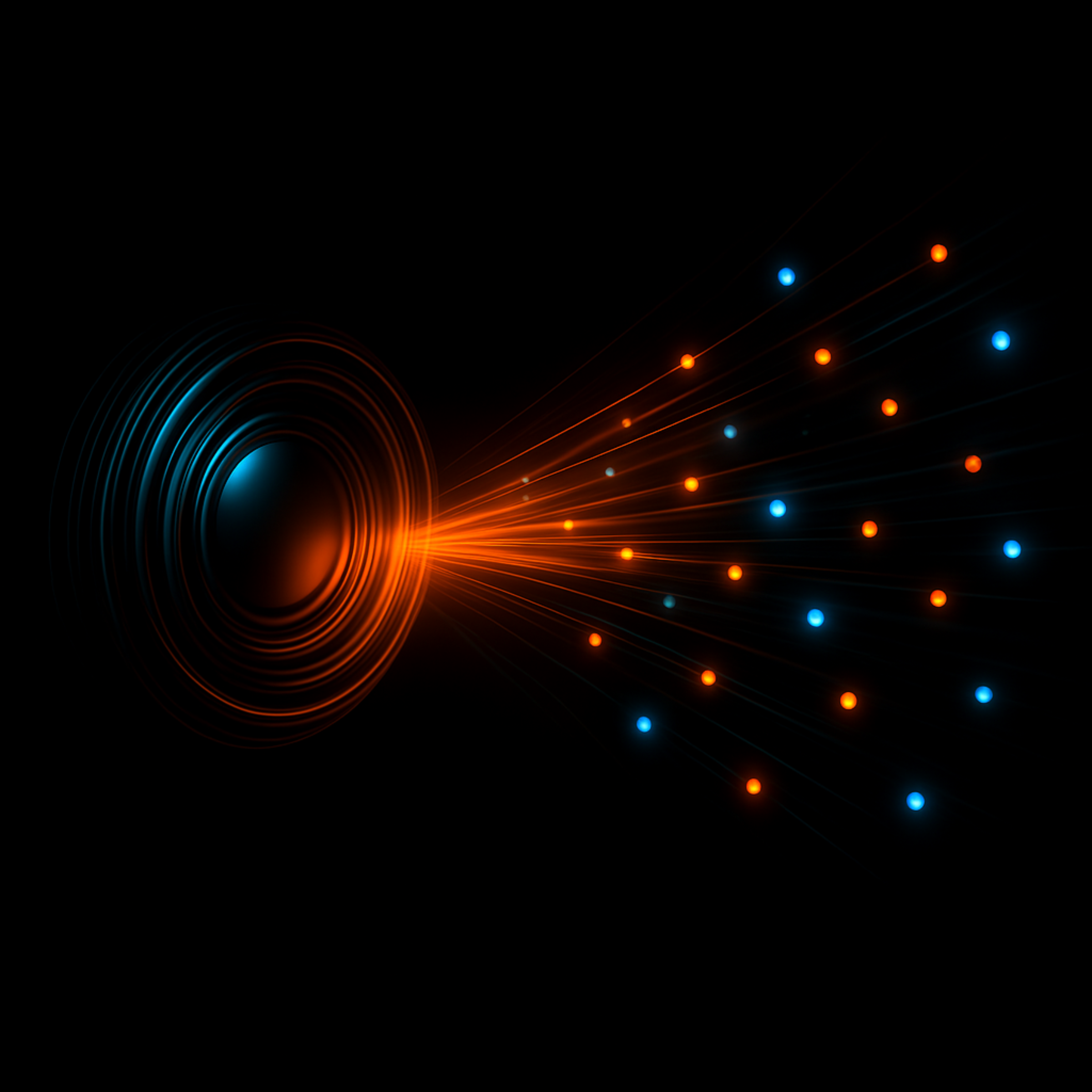
The PRIME Lens — seeing what shapes product flow
The PRIME Lens looks across all three journeys simultaneously — always seeing what is supporting flow and what is constraining it.
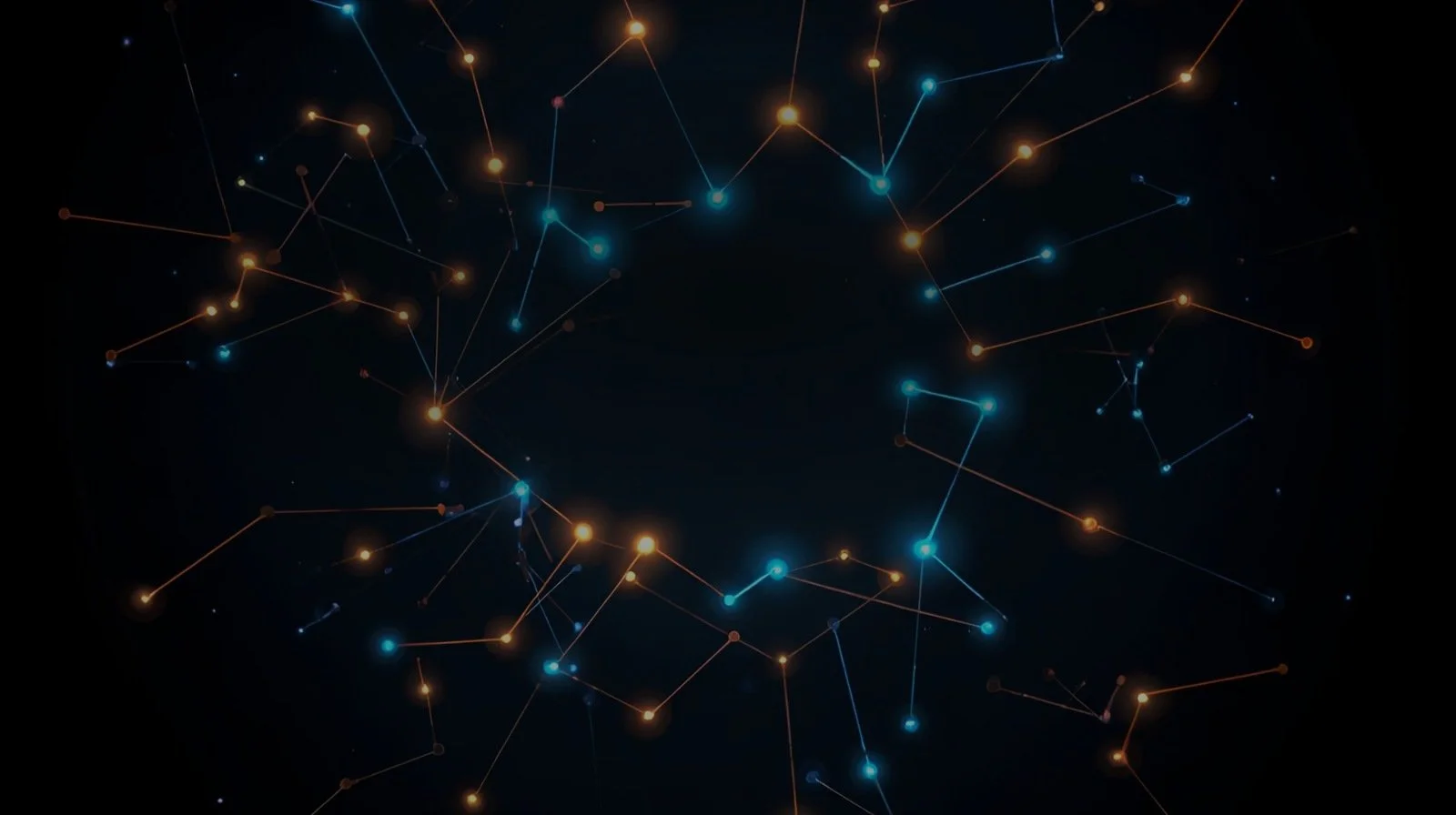
64 influence points standing between products and the consumer
PRIME Flow has identified the points where products are either carried forward — or left behind.
Every one is measured. Every one counts.
The PRIME Engine — calculating the precise effect on flow
The PRIME Engine takes the signal from every influence point and applies its specific weight — across all three journeys, from supplier through to consumer.
The result: a precise map of where your product's flow is being lost — and why.
PRIME Flow — measuring conditions before outcomes
PRIME Flow can be used at any point product flow needs to be understood — before launch, a relaunch, or when performance is falling short of expectations.
It doesn't forecast or assume. It measures what's actually shaping flow across all three journeys, and shows where it's being constrained — early enough to still act on it.
What a PRIME Flow diagnostic shows
It shows how much flow progresses through each journey — and where it is being lost.
Flow loss is quantified at the specific points where it occurs — showing the percentage lost at each.
Those losses are explained — linked directly to the conditions behind them.
The result is a complete picture of your product's flow from supplier to consumer — and a clear view of where to act.
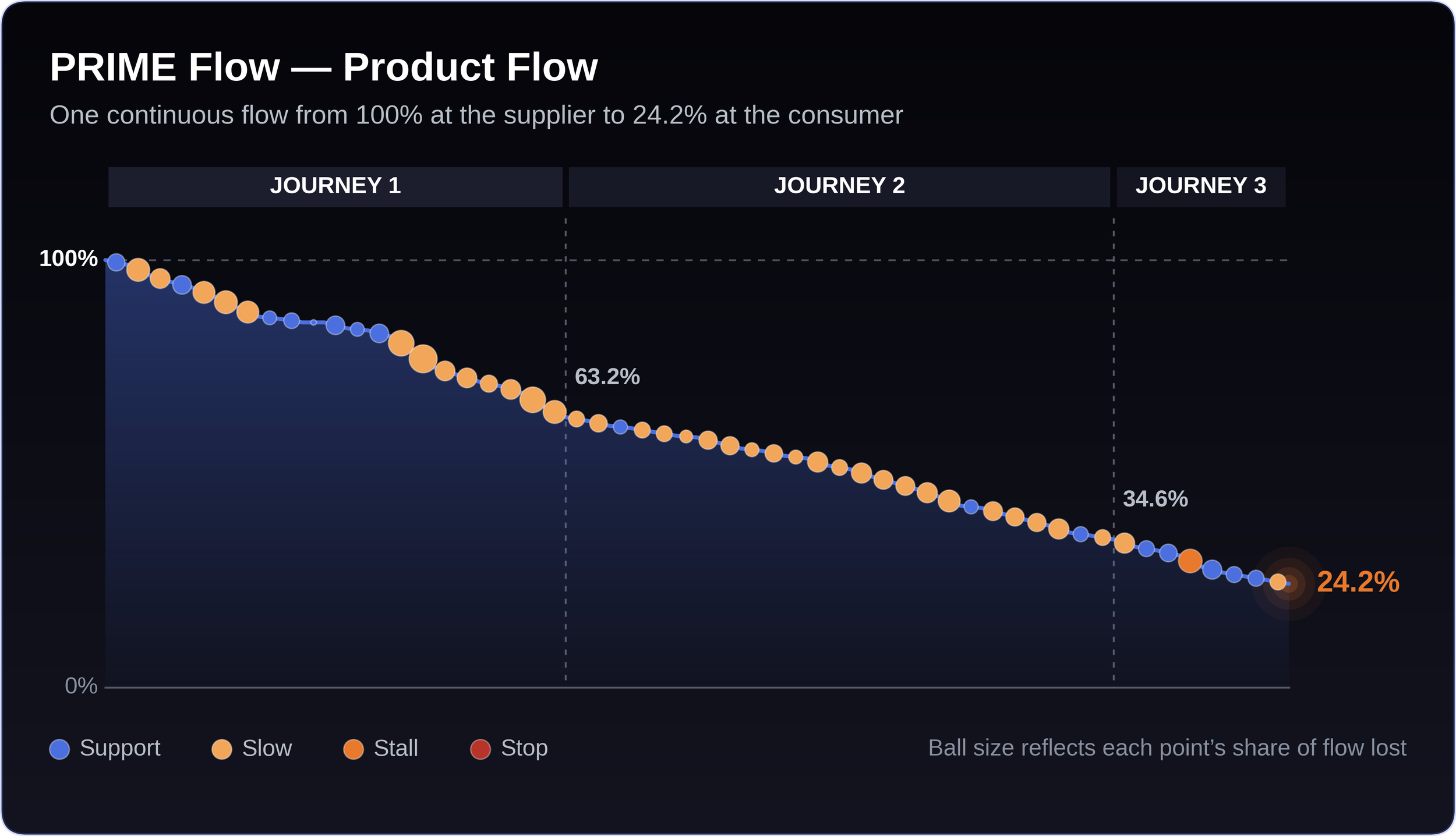
Illustrative example